Recommended Service Intervals for Your German Vehicles
Essential Maintenance Scheduling for BMW, Audi, Mercedes-Benz, Porsche, and Volkswagen Owners


Why German Vehicle Maintenance Intervals Matter More Than You Think
German automotive engineering represents some of the world's most sophisticated vehicle technology, but this precision comes with specific maintenance requirements that differ significantly from domestic or Asian vehicles. If you're driving through Costa Mesa's busy streets or navigating the 405 during rush hour, your BMW, Audi, Mercedes-Benz, Porsche, or Volkswagen depends on precise maintenance intervals to deliver the performance and reliability German engineering is known for. At Strom German Auto Service, we've spent years perfecting our understanding of these unique requirements, helping Costa Mesa drivers maintain their European vehicles according to manufacturer specifications. The reality is that German vehicles use advanced systems like variable valve timing, direct injection, and sophisticated electronic modules that require specialized attention at specific intervals. Ignoring these intervals doesn't just risk warranty issues, it can lead to expensive repairs that could have been prevented with proper maintenance scheduling. Understanding your vehicle's specific maintenance timeline isn't just about following a schedule, it's about protecting your investment and ensuring your German vehicle continues to perform at its engineered potential.
Understanding Manufacturer-Specific Service Requirements
Each German manufacturer has developed distinct maintenance philosophies based on their engineering approaches and the specific technologies they employ in their vehicles. BMW's Condition Based Service system monitors actual vehicle conditions and driving patterns to determine optimal service intervals, which can vary significantly from traditional mileage-based schedules. Audi vehicles typically follow a more structured interval system, with major services every 10,000 miles and specific attention to their quattro all-wheel-drive systems and turbocharged engines. Mercedes-Benz implements their Flexible Service System, which adjusts intervals based on driving conditions, but generally requires attention every 10,000 miles or 12 months. Porsche maintains some of the most stringent requirements, particularly for their high-performance engines, with oil changes often recommended every 5,000 to 7,500 miles depending on the model. Volkswagen follows a similar pattern to Audi, given their shared platform technologies, but with particular attention to their TSI and TDI engine technologies. These differences aren't arbitrary, they reflect the specific engineering tolerances and component requirements that make each brand unique. Costa Mesa's stop-and-go traffic conditions and California's environmental regulations add additional considerations that experienced european auto repair specialists understand and factor into maintenance recommendations.

Critical Service Intervals You Cannot Ignore
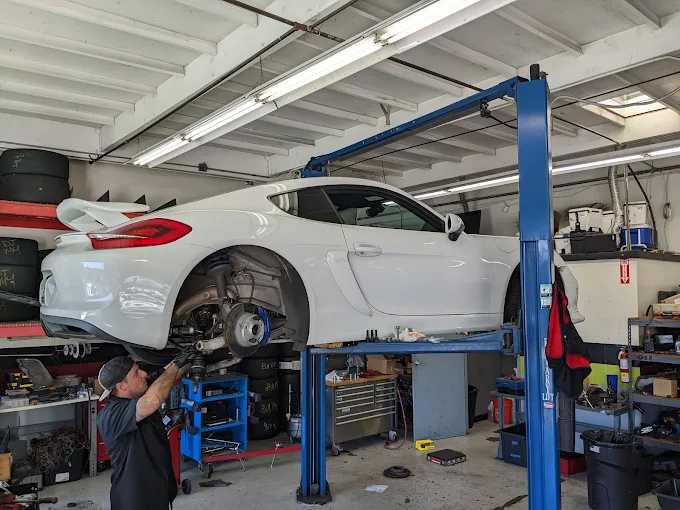
Certain maintenance intervals for German vehicles are absolutely non-negotiable, and missing these can result in catastrophic engine damage or complete system failures. Oil change intervals represent the foundation of German vehicle maintenance, with most manufacturers specifying synthetic oil changes every 10,000 miles under normal conditions, though severe driving conditions common in Costa Mesa traffic may require more frequent changes. Timing belt or timing chain service intervals are critical, with most German vehicles requiring attention between 60,000 to 100,000 miles, and failure to maintain these components can result in complete engine destruction. Carbon cleaning services have become essential for direct injection German engines, typically required every 30,000 to 50,000 miles to prevent intake valve carbon buildup that can severely impact performance. Brake fluid replacement every two years is mandatory for German vehicles, as their high-performance braking systems generate significant heat that breaks down brake fluid more rapidly than in conventional vehicles. Transmission service intervals vary by manufacturer but typically require attention every 40,000 to 60,000 miles, with German automatic transmissions using specific fluid formulations that cannot be substituted. DSG or dual-clutch transmission services are particularly critical for Audi and Volkswagen owners, requiring service every 40,000 miles to prevent expensive clutch pack failures. At 3017 Enterprise St, Costa Mesa, CA 92626, our technicians use manufacturer-specific diagnostic equipment to verify these intervals and ensure your German vehicle receives precisely the maintenance it requires.
Frequently Asked Questions About German Vehicle Maintenance
How often should I service my German vehicle in Costa Mesa's driving conditions?
Costa Mesa's combination of highway driving, stop-and-go traffic, and coastal salt air creates what manufacturers consider "severe" driving conditions, which typically requires more frequent maintenance intervals than standard recommendations suggest.
Can I extend service intervals if I use premium synthetic oil?
While high-quality synthetic oils provide better protection, German manufacturers design their service intervals around specific oil formulations and driving conditions, making it risky to extend intervals beyond manufacturer recommendations.
What happens if I miss a critical maintenance interval?
Missing critical intervals like timing belt service or DSG transmission maintenance can result in complete component failure, often requiring engine or transmission replacement that costs significantly more than preventive maintenance.
Do German vehicles really need more expensive maintenance than other cars?
German vehicles require specialized knowledge, tools, and genuine parts that can increase maintenance costs, but proper maintenance prevents far more expensive repairs and maintains the vehicle's performance and value.
Should I follow my vehicle's computer maintenance reminders exactly?
Vehicle computers provide helpful reminders, but they cannot account for all driving conditions or component wear patterns that experienced technicians can identify during comprehensive inspections.
Don't let deferred maintenance turn into expensive repairs. Contact Strom German Auto Service at (949) 922-1474 to schedule your German vehicle's maintenance service and ensure your BMW, Audi, Mercedes-Benz, Porsche, or Volkswagen continues to deliver the performance and reliability you expect from European engineering.